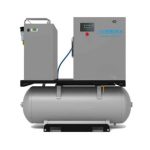





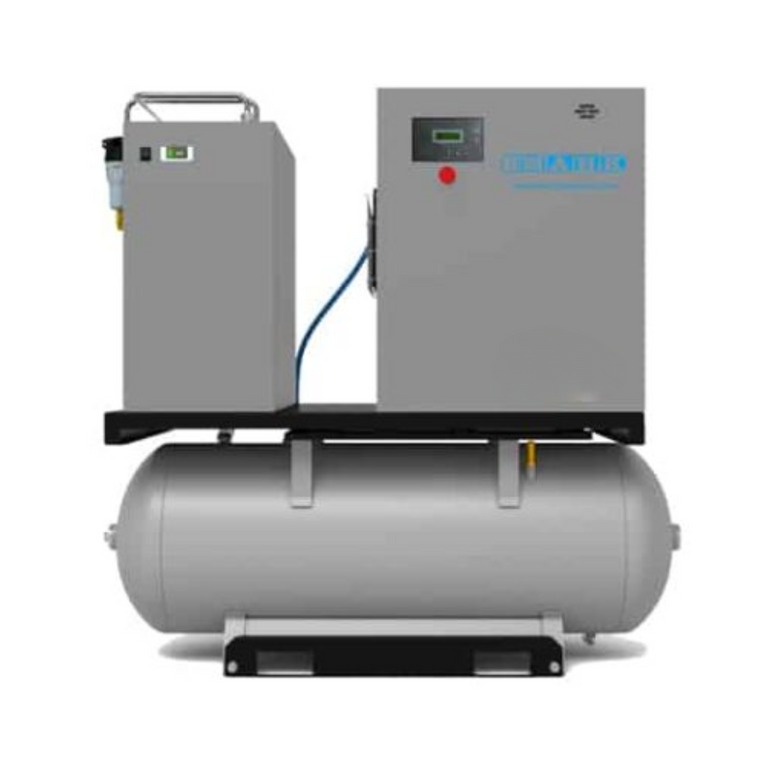
Air tools need steady pressure to operate well. Machines work hard daily to maintain flow for production lines. Keeping these systems quiet and efficient saves cash and time. Modern tech changes how parts function in factories every day. Better design remains a top goal for all leading screw air compressor suppliers.
Oil-free operation:
New models produce air without using oil. This design keeps output clean for sensitive tasks. Filters stay clear longer, and maintenance tasks drop significantly. Factory teams prefer this because cleaning costs disappear. Clean air output improves the quality of final products.
Energy saving features:
Electric motors now use variable frequency drives to control output. These units match motor speed to actual air demand. Waste disappears because the motor slows down when tools rest. This setup cuts electricity bills by a large margin over time. Efficiency gains help budgets stay balanced.
Better sound control:
Loud noise causes stress in busy work areas. Engineers now wrap motors in thick, sound-absorbing foam. These covers trap vibration before sound waves exit. Workers focus better when machines produce minimal noise. Quiet operation allows placing units closer to work stations.
Smart monitoring:
Sensors track heat and pressure levels in real time. Data displays show when filters need attention. Alerts arrive on tablets before hardware breaks down. Preventing downtime keeps production schedules stable. Accurate tracking eliminates guessing during daily checks.
Compact designs:
Floor space costs money in modern facilities. New frames use less room while keeping output levels high. Slim shapes fit into tight corners easily. Smaller footprints leave extra space for other vital gear. Layout plans improve when equipment takes less area.
Heat recovery:
Waste heat creates extra work for cooling systems. Capture units now redirect hot air to warm water for other uses. This reuse of thermal energy lowers total heating costs. Putting wasted heat back into the facility loop adds value to standard setups.
Constant updates in mechanical design push industry limits forward. New inventions change how factories manage airflow. Better parts create long-term savings for plant managers everywhere. Future tech will keep pushing boundaries in reliability and output quality for every single site. Choosing current models means staying ahead of competition.