






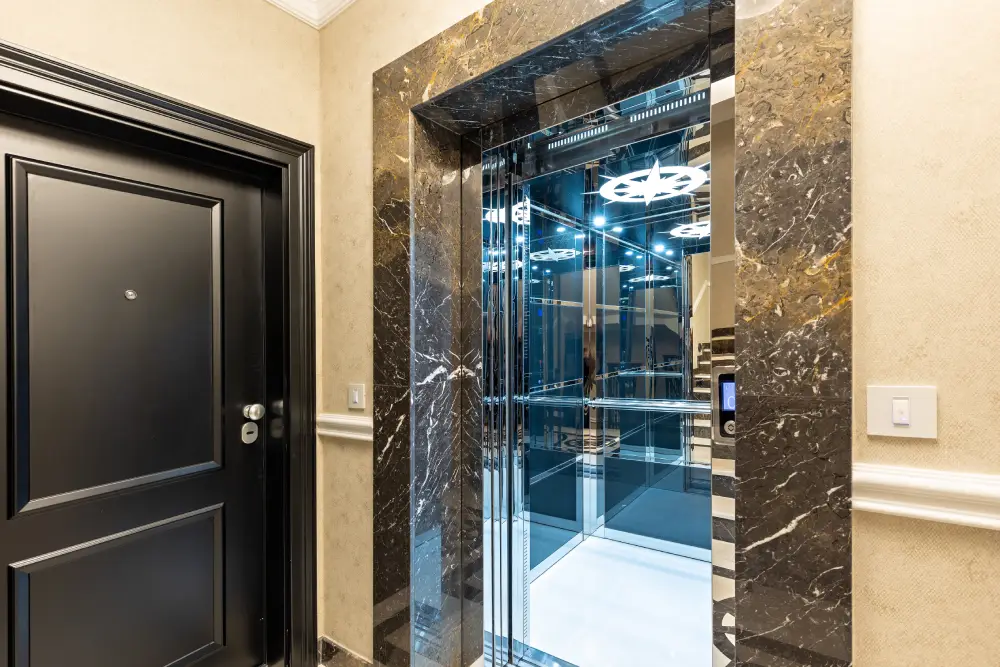
Home elevators make moving between floors easier, but they can face issues over time. A home elevator may stop working properly due to wear, electrical faults, or mechanical problems. Learning about the common problems helps homeowners recognize when a lift needs attention and what solutions are available from trained technicians.
Power and Electrical Issues:
Sometimes a home elevator won’t start or stops mid-ride because of electrical problems. Faulty wiring, blown fuses, or control panel errors can cause this. A trained technician can inspect circuits, replace damaged components, and test the system. Addressing electrical issues quickly restores safe operation and prevents repeated interruptions, keeping the elevator reliable for daily use.
Door Malfunctions:
Elevator doors that stick, close too slowly, or fail to lock properly pose safety risks. Misaligned tracks, worn sensors, or mechanical issues are often the cause. Adjusting the tracks, replacing sensors, or repairing the door mechanism restores smooth operation. Proper door function is critical because it protects passengers and makes sure the elevator runs correctly every time.
Strange Noises:
Grinding, squeaking, or knocking sounds may signal worn gears, loose bolts, or motor strain. Ignoring these noises can lead to bigger problems, including mechanical failure. A professional checks moving parts, lubricates components, and tightens connections to reduce noise. This maintenance keeps the lift quieter, extends the life of parts, and prevents sudden breakdowns.
Slow or Jerky Movement:
If the elevator moves unevenly, jerks, or slows unexpectedly, mechanical or hydraulic issues might be responsible. Technicians examine the motor, drive systems, and fluid levels, adjusting or repairing parts to restore steady motion. A smooth ride is safer and more comfortable for passengers, especially in homes with children or elderly residents.
Water or Moisture Damage:
Elevators near damp areas may face corrosion or electrical shorts. Moisture can damage wiring, sensors, and mechanical parts. Professionals clean, repair, and protect components from future water exposure to maintain safety and performance. Regular checks help spot moisture risks before they cause serious problems.
Scheduled Checks:
Routine inspections help catch small issues before they grow into major repairs. Even if the elevator seems fine, consistent attention by trained technicians keeps all components operating safely and reliably. These checks extend the elevator’s lifespan and provide peace of mind for homeowners.
Addressing common home elevator problems promptly keeps lifts safe, smooth, and comfortable. Professional maintenance protects passengers, prevents unexpected breakdowns, and preserves the elevator’s reliability for years to come.